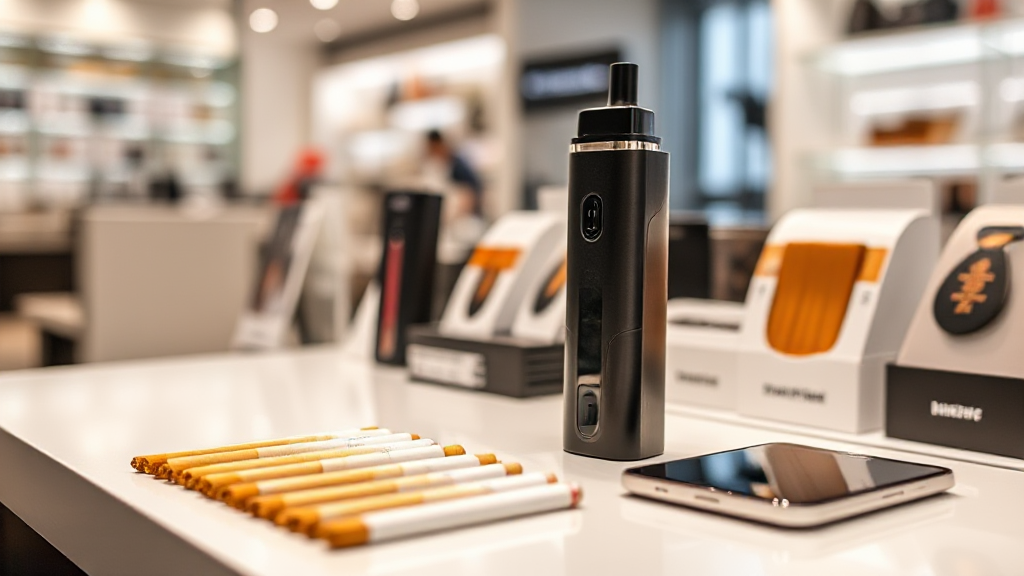
How to Buy TEREA Online Without Getting Burned: Mistakes I See Every Week
The most common mistake people make when buying TEREA sticks is treating an online order like a casual supermarket run: they pick the first shop that shows up, ignore the batch code, and only think about authenticity after the parcel has arrived. I have watched this play out dozens of times, and it is almost always avoidable. Buying terea online is not complicated, but it rewards a small amount of discipline. Below is the routine I actually follow, written as a checklist of the traps I see most often and how to step around each one.
Mistake One: Assuming Every Shop Sells the Same Product
The first thing to understand is that TEREA is not one product. It is a family of stick variants made for the IQOS ILUMA generation of devices, and each variant is tuned to a different taste profile and sometimes a different market. When a buyer searches for a cheap deal and lands on a page that lists “TEREA” as a single generic item, that is a warning sign. A serious retailer names the variant, the pack size, and the market it was produced for.
In my own routine, I never order from a listing that does not state the variant clearly. If the page says only “TEREA sticks, mixed”, I move on. Mixed lots are sometimes genuine, but they are also where short-dated and repackaged stock ends up, and you have no way to check what you are actually receiving.
The practical fix is simple: decide which variant you want before you open a shop, then search for that exact name. If the retailer cannot match the name, they probably cannot match the product either.
Mistake Two: Ignoring the Device Compatibility Question
TEREA sticks are designed for the ILUMA range, which uses induction heating rather than the older blade system. This matters because the stick itself contains a metal element that the device reads. If you are still using an older IQOS model, TEREA will not work the way you expect, and no amount of careful ordering will change that.
I have seen people buy a full carton, wait a week, and then discover the sticks do not fit their device. The mistake is not the purchase; it is skipping the compatibility check. Before you order anything, confirm two things: the device model you own, and the stick generation it accepts. A reputable shop will state this on the product page rather than burying it in a support article.
If you are unsure, ask before you pay. A good retailer answers that question quickly, because they deal with it constantly.
Mistake Three: Chasing the Lowest Price and Nothing Else
Price is the single biggest source of bad decisions in this category. When one listing is dramatically cheaper than everything else, there are only a few explanations: expired stock, counterfeit product, or a seller who will not be around when the parcel goes missing. None of those are good outcomes.
What I do instead is compare price within a narrow band. If a shop sits within a reasonable range of the others and offers clear product information, that is a better signal than the lowest number on the page. I would rather pay slightly more and know exactly what is arriving than save a few euros and spend a week chasing a refund.
It also helps to look at how the shop handles delivery. A store that clearly explains shipping timelines, tracking, and regional availability is usually a store that has thought about the customer experience. That is worth something.
Mistake Four: Skipping the Authenticity Checks
Counterfeit heated tobacco sticks exist, and they are not always obvious from a photo. The mistake is assuming that a clean-looking website equals a genuine product. It does not. What matters is whether the seller gives you a way to verify what you received.
My routine here is short but consistent. I check the packaging for the printed batch information, I compare the stick appearance against a known genuine pack, and I look at whether the retailer publishes any guidance on authenticity. If a shop is vague about where its stock comes from, that vagueness is the answer.
You do not need to become an expert. You need to buy from someone who is willing to be specific. Specificity is hard to fake.
Mistake Five: Overlooking Delivery and Payment Details Until It Is Too Late
A surprising number of problems come down to logistics rather than product. People order without checking whether the shop delivers to their country, how long it takes, and what happens if the parcel is delayed. Then they are surprised when the answer is unhelpful.
Before checkout, I confirm three things: the delivery region, the expected timeframe, and the payment methods offered. Secure payment is not a marketing line; it is a basic requirement. If a site pushes you toward an unusual transfer method with no buyer protection, that is a reason to stop, not to proceed.
I also keep the order confirmation and tracking number in one place. It takes ten seconds and it saves a lot of frustration later.
Mistake Six: Buying in Bulk Before Testing a New Variant
This one is about taste rather than logistics, but it costs people just as much. TEREA variants differ noticeably, and a flavour you like in one market may not match your expectation in another. Ordering a large quantity of something you have never tried is a gamble.
My approach is to start small. I order one pack of a new variant, use it properly, and only then commit to a larger order. It feels slower, but it prevents the far more annoying situation of having a cupboard full of sticks you do not enjoy.
Once you know your variant, bulk ordering becomes sensible. Before that, it is just optimism.
Mistake Seven: Not Reading the Shop’s Own Terms
Finally, the quiet mistake: skipping the terms, the returns policy, and the age confirmation. These pages are boring, but they tell you how a shop behaves when something goes wrong. A retailer with a clear, readable policy is usually a retailer that has handled real problems before.
I read the returns section and the shipping section before I place a first order. If those pages are missing or copy-pasted into nonsense, I take my business elsewhere. It is a five-minute check that filters out most of the shops I would regret using.
None of these steps are dramatic. Together, they turn a risky purchase into a routine one. That is really the whole point: buying TEREA online should be boring, predictable, and exactly what you expected when the parcel arrives.
If you follow the same sequence — confirm the variant, check compatibility, compare within a sensible price band, verify authenticity, read the delivery and payment terms, test before bulk buying, and skim the policies — you will avoid nearly every problem I see. The product is straightforward. The discipline is what separates a good order from a bad one.