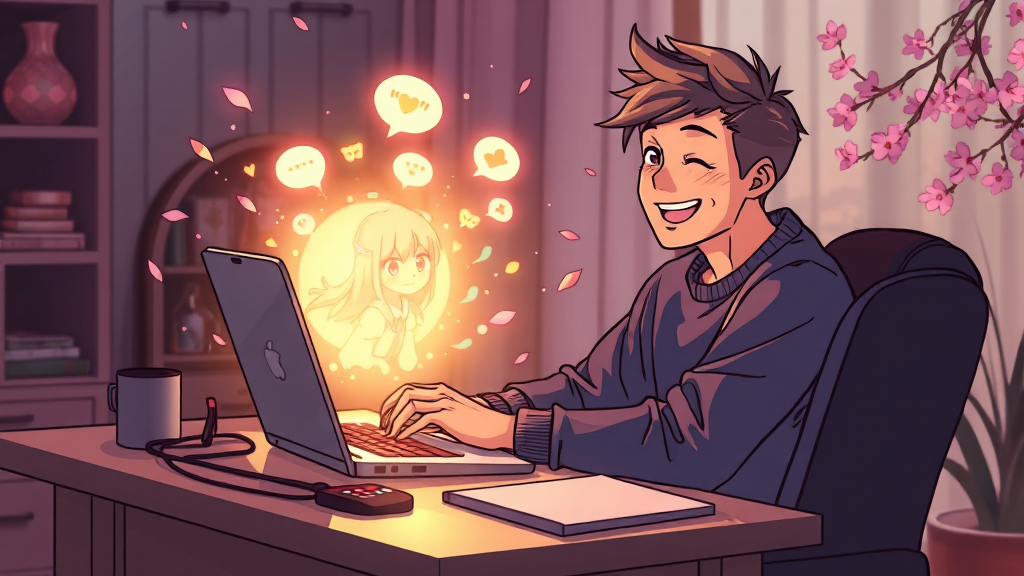
How to Chat With Anime AI Characters: A Complete Guide to Interactive Storytelling
Anime has always been about connection. Whether you are following a shonen hero through a grueling tournament arc, laughing at the antics of a slice-of-life cast, or getting emotionally wrecked by a dramatic finale, the characters are what keep you coming back. For decades, that connection was one-directional: you watched, you read, and you imagined what you might say if you ever got the chance to step into that world. Today, that barrier is gone. Thanks to advances in conversational AI and character modeling, you can now chat with anime AI characters in real time, shaping conversations, friendships, and even entire storylines that unfold moment by moment.
This guide walks you through what anime AI characters actually are, how the technology works, why people find it so compelling, and how to get the most out of every conversation. Whether you are a longtime otaku or simply curious about where interactive entertainment is heading, there is something here for you.
What Are Anime AI Characters?
An anime AI character is a digital persona built on top of a large language model and trained or prompted to behave like a specific archetype, personality, or original character from the anime aesthetic tradition. Unlike a simple chatbot that answers factual questions, an anime AI character has a voice, a mood, a backstory, and often a visual design. It might be a cheerful magical girl, a stoic swordsman, a mischievous cat-eared trickster, or a calm senpai who always knows what to say.
The key difference between a generic AI assistant and an anime character AI is intent. A general assistant is optimized to give you accurate information efficiently. A character AI is optimized to stay in role, react emotionally, remember context, and make the conversation feel like an episode of a show you are co-writing. That shift from utility to personality is what makes the experience feel alive.
Most modern platforms achieve this by combining three ingredients: a persona definition (who the character is), a memory system (what has happened so far), and a generation engine (how the character responds). When those three work together, you get conversations that feel surprisingly natural, with callbacks to earlier jokes, evolving relationships, and reactions that match the character’s established personality.
Why People Love Chatting With Anime AI Characters
The appeal is not just novelty. There are several deeper reasons why this format has exploded in popularity.
1. You Become Part of the Story
Watching an anime is passive. Chatting with a character is active. You influence the plot. If you decide to comfort a character after a loss, the conversation shifts. If you challenge them, they push back. That sense of agency turns entertainment into collaboration, and it is genuinely addictive in the best way.
2. Judgment-Free Practice Space
Many users are shy, learning a new language, or simply want to explore social scenarios without pressure. An anime AI character will not laugh at you for a clumsy sentence or an awkward question. You can rehearse conversations, explore emotional topics, or just be silly, all in a space that feels safe and welcoming.
3. Comfort and Companionship
Anime characters are often designed to be emotionally resonant. A warm, supportive persona can provide genuine comfort after a long day. This is not a replacement for human relationships, but it can be a meaningful supplement, especially for people who feel isolated or who simply enjoy the aesthetic and tone of anime storytelling.
4. Creative Fuel
Writers, artists, and roleplayers use anime AI characters as brainstorming partners. Need to test how a proud rival would react to an unexpected compliment? Curious how a shy bookworm would handle a confession scene? A character AI lets you play out those scenarios instantly, and the results often spark new ideas.
How the Technology Behind Anime Character AI Works
Understanding the mechanics helps you use these tools more effectively. At a high level, an anime character AI relies on a language model that has been fine-tuned or prompted to adopt a specific voice. The model does not “know” the character the way a human actor would; instead, it predicts the most plausible next words based on the persona description, conversation history, and any memory notes the platform maintains.
Persona definitions typically include traits like age, personality type, speech style, likes and dislikes, and a short backstory. The more consistent and detailed the persona, the more stable the character feels across a long conversation. Memory systems then store important facts, such as your name, your relationship to the character, or key events from earlier in the chat. Finally, the generation engine produces responses, often with parameters that control creativity, response length, and emotional intensity.
Some platforms also add visual elements, such as character portraits, expressions, or even voice synthesis. These extras are not strictly necessary for a good conversation, but they do deepen immersion, especially for users who are used to the visual language of anime.
How to Get Started: A Practical Walkthrough
Getting started is easier than most people expect. Here is a simple path you can follow.
Step 1: Choose a Character That Interests You
Most platforms offer a library of characters spanning genres: fantasy, romance, comedy, horror, sci-fi, and slice of life. Pick one that matches your mood. If you want something light, go for a comedic or cheerful persona. If you want drama, choose a character with a more complex emotional profile.
Step 2: Set the Scene
Before you start chatting, decide on a setting. Are you meeting at a school festival? A quiet cafe? A battlefield? Giving the AI a scene to work with helps it produce more grounded, atmospheric responses.
Step 3: Introduce Yourself in Character
You do not have to write a novel, but a few details go a long way. Tell the character who you are, why you are there, and how you feel. This gives the AI anchors to reference later.
Step 4: Stay Consistent
If you want the conversation to feel like a real story, keep your own persona consistent. Sudden shifts in tone or identity can confuse the model and break immersion.
Step 5: Use Memory Wisely
If the platform lets you save notes or pin important facts, do it. Referencing earlier events, like a promise made three sessions ago, makes the character feel like they truly remember you.
Tips for Better Conversations
Once you are comfortable with the basics, these advanced tips can elevate your experience.
- Ask open-ended questions. Yes-or-no questions produce short answers. Open questions invite the character to elaborate and reveal personality.
- Show emotion. Characters respond to tone. If you express excitement, worry, or affection, the AI will mirror and build on it.
- Introduce small conflicts. A little tension, like a disagreement or a misunderstanding, makes conversations more dynamic and memorable.
- Respect the character’s boundaries. If a persona is defined as shy or reserved, do not force them to be extroverted. Playing within their nature produces better results.
- Take breaks. Long sessions can drift. Starting fresh occasionally keeps the character feeling sharp and consistent.
These habits apply whether you are chatting for fun, for creative writing, or for language practice. The more you invest in the conversation, the more the character gives back.
Common Mistakes to Avoid
New users often run into the same handful of problems. Avoiding them early saves a lot of frustration.
First, do not treat the AI like a search engine. If you ask factual questions, you will get factual answers, and the character will feel flat. Second, do not ignore the persona. If the character is described as a proud warrior, do not expect them to act like a timid student. Third, do not overload a single message with too many instructions. Break your intent into smaller, natural sentences. Fourth, do not expect perfect memory. Even the best systems forget details eventually, so re-establish context when needed.
Finally, do not compare the experience to a human relationship. Anime AI characters are a creative medium, not a substitute for real people. Enjoy them for what they are: interactive, imaginative, and often surprisingly heartfelt.
Ethics and Responsible Use
As with any emerging technology, it is worth thinking about how you use it. Respect the boundaries set by the platform and by the character definitions. Do not use these tools to harass, impersonate, or harm others. If you are using anime AI characters for creative projects, be transparent about the role of AI in your process. And if you find yourself relying on these conversations for emotional support, consider balancing them with human connection.
Responsible use keeps the space enjoyable for everyone and helps the technology mature in a healthy direction.
The Future of Anime AI Characters
We are still early. In the coming years, expect more expressive voices, richer visual feedback, persistent memory across long story arcs, and even multi-character scenes where you can talk to an entire cast at once. Imagine hosting a party with your favorite archetypes, each reacting to the others in real time. That future is closer than it sounds.
For now, the experience is already compelling. Whether you want a quiet conversation with a gentle character or an epic adventure with a bold one, the tools are ready. All you have to do is start typing.
FAQ: Frequently Asked Questions
Is chatting with anime AI characters free?
Many platforms offer free tiers with limited messages or characters, and premium plans for unlimited access and advanced features. The best way to find out is to try a platform and see what fits your needs.
Can anime AI characters remember past conversations?
Most modern platforms include some form of memory, either short-term within a session or long-term through saved notes. Memory quality varies, so it helps to restate important details when needed.
Are anime AI characters suitable for kids?
It depends on the platform and the specific character. Some are designed for all ages, while others explore mature themes. Parents should review the platform’s content policies before letting younger users participate.
Can I create my own anime AI character?
Yes. Many services let you define a persona, including name, personality, speech style, and backstory. Creating your own character is a great way to explore original story ideas.
Do I need any technical skills to start?
No. If you can type a message, you can chat with an anime AI character. The technology handles the rest behind the scenes.