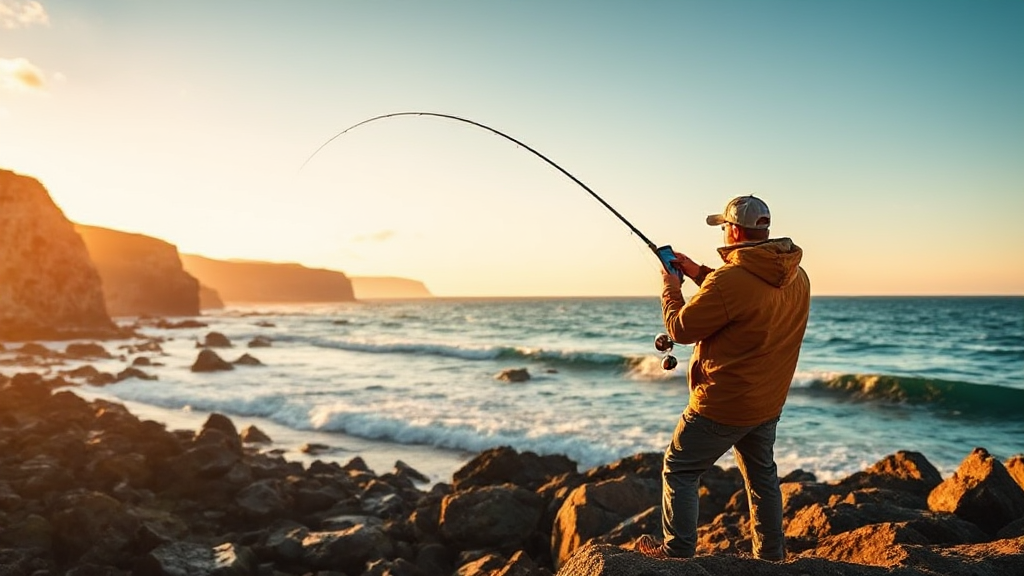
Fish Portugal Now: Get Your Licence Fast and Cast Today
Stop reading and sort your paperwork first. Before you tie a single rig, you need a valid recreational sea fishing licence for mainland Portugal. The fastest legal route is to apply online through fishing in portugal — the application takes about three minutes, you pay by card, Apple Pay or Google Pay, and you do not need a NIF or a government portal login. Do that now, then come back to the rest of this plan.
Step 1: Lock Down Your Licence Before You Leave the House
Portuguese authorities require recreational anglers fishing from the shore, rocks, beaches or boats in mainland waters to hold a DGRM recreational sea fishing licence. Inspectors do check, and fishing without one can mean fines that ruin a cheap trip. The licence is personal, so every angler in your group needs their own.
The old route meant queueing, finding a Portuguese tax number, or wrestling with a Portuguese-language government site. Skip all of that. An online application service handles the DGRM form for you, confirms your details, and issues the licence digitally so you can show it on your phone at the water’s edge. Apply the night before, or even in the car park while your rod is still in its bag. Keep a screenshot and a printed copy in your tackle box as backup — coastal signal can be patchy on remote cliffs.
Once that fishing license is confirmed, you are legal. Everything after this is about catching fish.
Step 2: Pick Your Coast and Match It to the Season
Portugal packs an absurd variety of fishing into a short coastline. Choose your target before you choose your spot.
The Algarve is the reliable winter and early-spring option. Rocky headlands around Sagres, Lagos and Albufeira produce sea bass, gilt-head bream, and the odd dentex when the water is cool and clear. Summer brings mackerel, horse mackerel and garfish in numbers, which makes it perfect for light spinning and family sessions.
The Lisbon and Silver Coast stretch — Cascais, Ericeira, Peniche, Nazaré — is where serious surf anglers go. Atlantic swells push bass, sole and ray close to shore. Peniche and Nazaré are exposed, so check swell forecasts and never fish a rising sea on a rock ledge.
The Alentejo coast south of Sines is wilder, emptier and superb for shore fishing, but you need a car and a head for scrambling. The north, around Porto and Viana do Castelo, offers colder water, stronger currents and excellent bass and conger action for anglers who like a challenge.
Boat anglers should look at departures from Albufeira, Vilamoura, Sesimbra and Peniche for reef and wreck fishing targeting bream, grouper, amberjack and tuna in season. Book ahead in July and August.
Step 3: Rig Up for Portuguese Conditions
Portugal’s Atlantic is not a gentle pond. Build your setup for current, rock and wind.
Shore and rock spinning: a 9 to 10-foot rod rated roughly 20–60g, a 4000-size reel, 20–30lb braid and a fluorocarbon leader of 20–30lb. Bring surface lures, slim minnows, soft plastics and metal jigs in the 20–40g range. Bass and bream respond to natural baitfish colours; mackerel hit almost anything shiny.
Bait fishing from beach or rocks: heavier gear — 12-foot rod, big fixed-spool or multiplier reel, 30lb main line, and a running ledger or paternoster rig. Bait with prawn, squid, razor clam, sardine or lugworm. Local fish shops in coastal towns sell fresh bait cheaply, and staff will tell you what is working that week.
Boat fishing: hire gear is often available, but bring your own jigs, slow-pitch lures and heavy fluorocarbon. If you are targeting tuna, confirm the boat holds the correct permits — some species need additional authorisation beyond the standard licence.
Two local rules to respect: minimum size limits apply to most species, and some areas — including marine protected zones and certain river mouths — are closed to recreational fishing. Ask at a local tackle shop or check signage at the access point before you cast.
Step 4: Fish Safely, Fish Legally, Fish Often
Atlantic fishing rewards preparation. Check swell, wind and tide before every session; a flat morning can turn dangerous by afternoon on exposed coasts. Wear a buoyancy aid on rocks, never fish alone on remote ledges, and keep an eye on the water rather than your phone.
Respect the catch. Take only what you will eat, release breeding fish and undersized specimens carefully, and leave nothing but footprints on the rocks. Portuguese anglers are welcoming to visitors who follow the rules, and local knowledge is freely shared if you ask politely.
If you are moving between regions or extending your stay, remember your licence covers mainland recreational sea fishing — but always confirm current requirements before each trip, because rules and seasons do shift. Reapplying through the same online service takes minutes and keeps you compliant without a trip to an office.
So here is your quick-start summary. Apply for your DGRM licence online right now and pay by card or mobile wallet. Save a digital and printed copy. Pick your coast based on season and target species. Rig for current and rock, not calm water. Check the forecast and local closures before every session. Then go — because the best portugal fishing happens when the paperwork is already done and the tide is still rising.